A Minnesota free of ageism
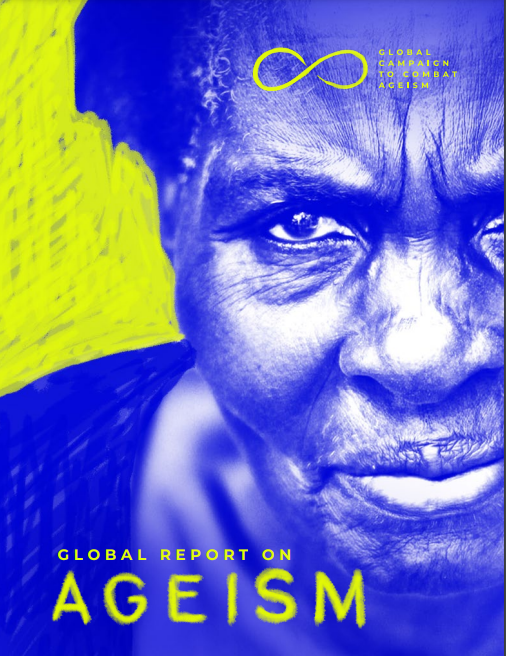
A GLOBAL ACKNOWLEDGMENT The United Nations General Assembly declared 2021–2030 the Decade of Healthy Ageing and the World Health Organization is implementing a global collaboration to bring together governments, civil society, agencies, professionals, academia, media and private sector leaders for 10 years of concerted, catalytic and collaborative action to foster longer and healthier lives.
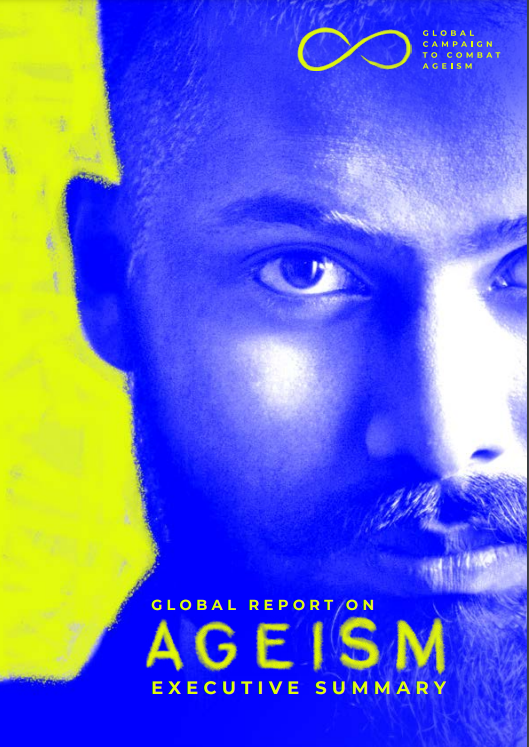
Review their Global Report on Ageism, which outlines the nature and scale of this international challenge as well as evidence-based solutions to apply in your life and work.
A NATIONAL DISCUSSION
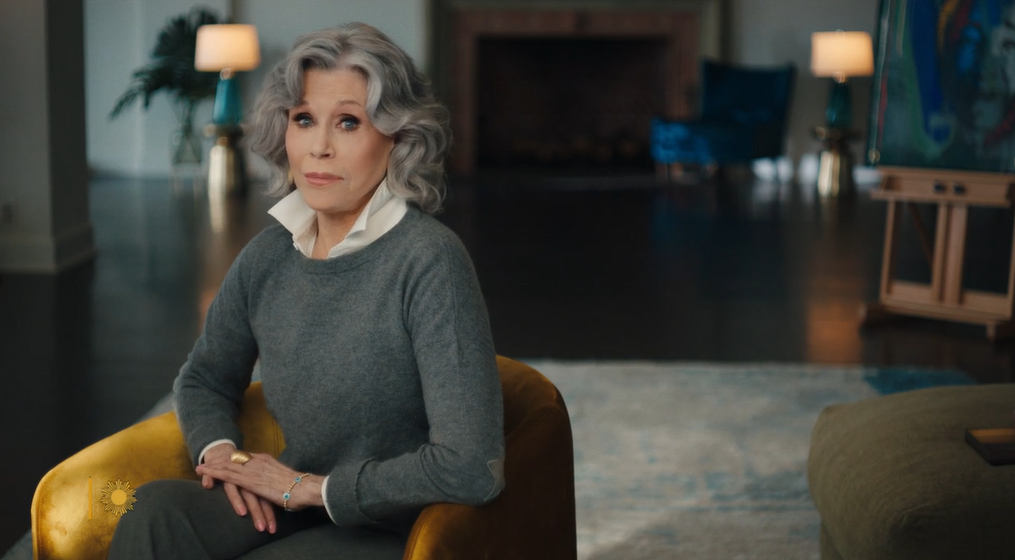
Jane Fonda with a Secret of Aging Well
CBS News
Frame of Mind: The Why and How of Reframing Aging
National Center to Reframe Aging
A MINNESOTA OPPORTUNITY
Addressing Ageism: Key Issues and Need for Action
The Center for Healthy Aging and Innovation's 2023 Spring Speaker Series
Together, we are moving from a global level a Minnesota lens by supporting what each of us can do to reduce health inequities and improve our lives as we age. We do this through shared action in four areas:
- changing how we think, feel and act towards age and ageism;
- developing our organizations and communities in ways that foster our unique interests and abilities as we age;
- delivering person-centered and integrated care that is responsive to us as we age; and
- ensuring access to quality long-term services and supports as we age.
FEATURED RESOURCES
Reframe Aging Minnesota is an effort co-led by the Center for Healthy Aging and Innovation at the University of Minnesota and the MN Leadership Council on Aging. Working with a dynamic volunteer Steering Committee, we invite you to help change how we talk about aging - moving beyond outdated stereotypes to embrace the full story of growing older. Through interactive “Free Framer Fridays,” grounded in an "all teach, all learn" approach, you'll gain tools to communicate more effectively, connect with others, and become part of a statewide movement to end ageism. Whether you’re a community leader, advocate, or simply curious, this is your chance to help flip the script and shape a more inclusive future.
We are pleased to partner with the National Center to Reframe Aging on the Reframe Aging Minnesota efforts because they are dedicated to ending ageism by advancing an equitable and complete story about aging in America. As the trusted source for proven communication strategies and tools to effectively frame aging issues as well, they are leading the nation in cultivating an active community to spread awareness of implicit bias toward older people and influence policies and programs that benefit each of us as we age. Led by The Gerontological Society of America, the National Center acts on behalf of and amplifies the United States ten Leaders of Aging Organizations. As an example of the work they produce, check out this Brief Guide to Responding to Ageist Election Coverage in the Media
Source:
https://www.reframingaging.org/
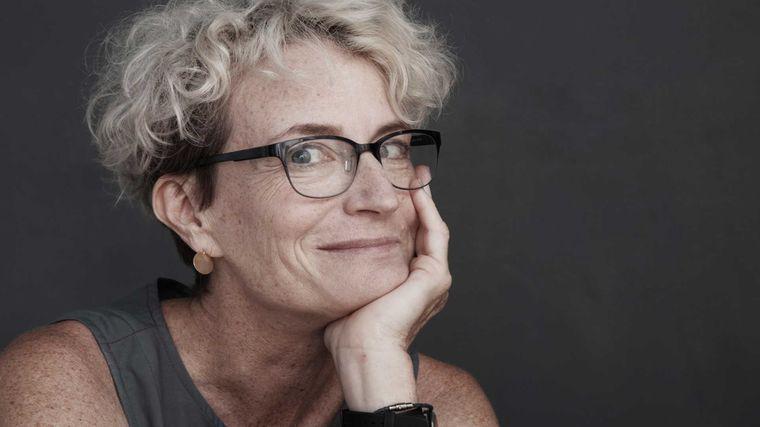
Known to many Minnesotans from her trips here to keynote various conferences, you can access her book, This Chair Rocks: A Manifesto Against Ageism. This resource is just one way Ashton Applewhite has been working for years on these issues.
You don't have to wait for her next return to Minnesota to check out her TED Talk or engage with her directly on her amazing Blog, Yo Is This Ageist?
Source:
https://thischairrocks.com/
Old School is a clearinghouse of free and carefully vetted resources to educate us about ageism and to help dismantle it. The brainchild of anti-ageism activist Ashton Applewhite, who created it with Ryan Backer and Kyrié Carpenter, their goal is to catalyze a movement to make ageism as unacceptable as any other kind of prejudice.
Source:
https://oldschool.info/
Created by the Minnesota Northstar Geriatrics Workforce Enhancement Program (GWEP), this Addressing Ageism in Healthcare Toolkit is but one of many resources designed to help us reflect on ageism and understand better how it affects the care and health of older adults, in particular. This toolkit contains two components: a Learner Module and a compendium of Teaching and Learning Resources.
Source:
https://mngwep.nexusipe.org/toolkits/addressing-ageism
FrameWorks Institute offers several resources to help address negative attitudes toward aging. Their research offers powerful ways to shift thinking about aging and older people
some featured examples you may want to start with include:
- Gaining Momentum: A Communications Toolkit >
- Framing Strategies to Advance Aging and Address Ageism as Policy Issues >
- Aging, Agency, and Attribution of Responsibility: Shifting Public Discourse about Older Adults >
- Gauging Aging: Mapping the Gaps Between Expert and Public Understandings of Aging in America >
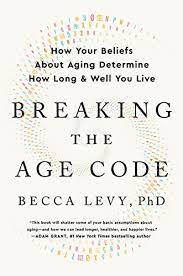
Breaking the Age Code is a landmark work in the aging field, presenting not only easy-to-follow techniques for improving age beliefs so they can contribute to successful aging, but also a blueprint to reduce structural ageism for lasting change and an age-just society.
Yale professor and a leading expert on the psychology of successful aging, Dr. Becca Levy, draws on her groundbreaking research to show how age beliefs can be improved so they benefit all aspects of the aging process, including the way genes operate and the extension of life expectancy by 7.5 years.
Source:
https://www.harpercollins.com/products/breaking-the-age-code-becca-levy?variant=39419497316386
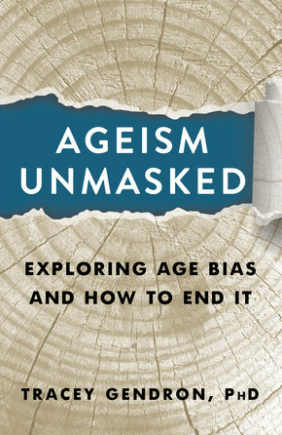
Dr. Tracey Gendron's book Ageism Unmasked: Exploring Age Bias and How to End It, is a bold account of the history and present-day realities of ageism. As a respected gerontologist, she uncovers for us the roots of ageism to more fully understand not just the impact it has, but how each of us can create a new reality of elderhood.
With over 25 years of experience as a grant-funded researcher and a nationally recognized speaker, Tracey Gendron is a valued voice on issues of ageism in forums across America and has appeared on numerous podcasts and video productions.
Source:
https://www.penguinrandomhouse.com/books/700435/ageism-unmasked-by-tracey-gendron/
The University of Michigan National Poll on Healthy Aging is a powerful window into the real lives of Americans over age 50. It captures the experiences, concerns, and priorities around health, caregiving, finances, and aging that we all face.
By translating the input and voices of older people into clear, data-driven insights, the poll helps shape smarter policies, better care, and more informed public conversations about what it means to age well in the U.S.
Ageism Awareness Day is held October 9 each year as a way to address ageism and promote age-inclusion. From social media resources to other resources, you can gain more information on this national campaign from the American Society on Aging, including tools to help you:
- Be a role model for aging by having meaningful conversations about age to help spark change and change age stereotypes.
- Share your Ageism Awareness Day activities with your network.
- Be active on social media and like, comment and share posts about Ageism Awareness Day using #AgeismAwarenessDay and #TalkAboutAgeism so others can find you!
SHARE A VIDEO TO SPARK A CONVERSATION
We know that the everyday language we use makes a difference. Check out and share these #agefriendlymn videos as a creative way to start a conversation with people in your personal or professional worlds. Together, we can role model better language choices in Minnesota. While these may seem like small examples, we know that big societal change grows from the small, everyday moments that add up over time.